The world is your playground.

Posts from the ‘Explorer Perspectives’ category

On Authenticity

Whenever people ask us why they should take Vayable tours, we always talk about the idea of authenticity. Wikipedia defines authenticity as “the truthfulness of origins, attributions, commitments, sincerity, devotion, and intentions.”

In the modern world “authenticity” can mean almost anything. It can mean identifying with “alternative” lifestyles and tastes; it can mean being effortlessly cool; it can mean being all natural without artificial flavors or packaging. Sometimes things trying hard to be “authentic” actually actually end up becoming laughably inauthentic. Things that mean anything actually end up meaning nothing.
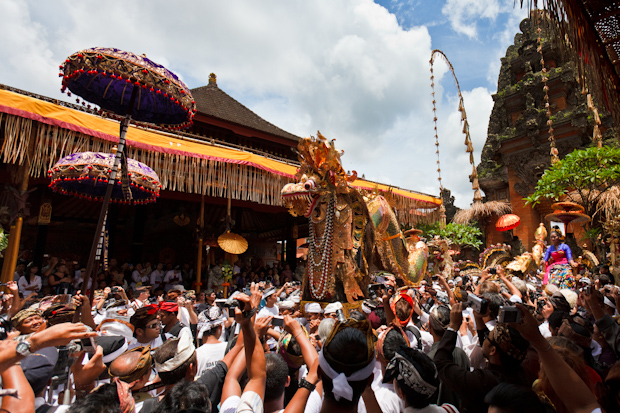
To us, authenticity equates to a sense honesty - the things that people do in their daily lives, that they enjoy, when no one else is looking. Oftentimes, these are the things that are most telling, most beautiful. Take this royal cremation ceremony in Bali that our dear friend Michael was fortunate enough to participate in. From the chaotic ceremony itself to the onlookers quietly watching from the sides, you can see into the soul of the people and the culture.

We love seeing the eyes of professional tour guides light up when we explain the concept of Vayable. “You mean instead of the sights that everyone has in their list, I can show people what I like to do?” someone once said to me during a guide vouching interview. As travelers, we oftentimes don’t know what we want, and some of the best Vayable tours feature guides who do not compromise on what they show travelers because they know their city best.

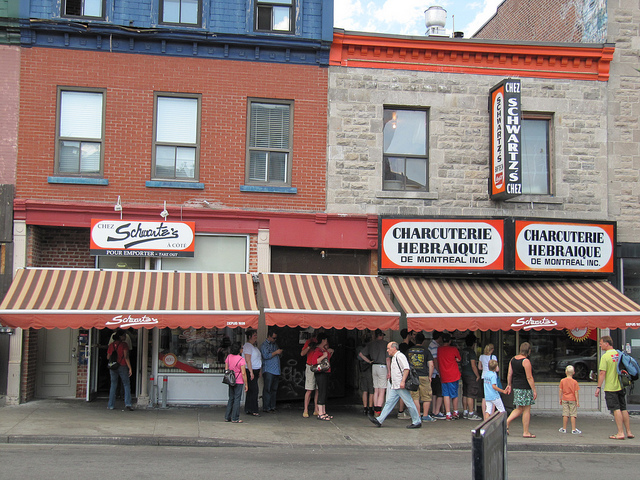
When we go to a faraway place, we want to eat la comida típica, but much of the time restaurants that serve this type of food have huge placards on storefronts beckoning to tourists with their “authentic” fare. Every single time without fail, the low-key neighborhood haunt that’s been a local destination for generations will be much, much better. Explore the tapas scene in Barcelona with a local chef instead of going to some place with a flashy sign on La Rambla.

The tourism industry as a whole is really bad at figuring out what people want; take the prevalence of double-decker bus tours as evidence. So we challenge you to put your afternoon or day into the hands of someone else and trust them to show you their world. At most, you’ll have the time of your life. At the very least, you’ll gain a better understanding of the world around you.

Leave a comment

How to Quit Your Job and Become a Digital Nomad

by Spencer Spellman, one of our favorite travel bloggers and soon-to-be travel guide!

I’m a digital nomad, self-employed, freelancer, workshifter, or whatever the latest buzz term is. That means I can work anywhere; well almost anywhere, at least somewhere that has a decent Internet connection 90% of the day. I do a little bit of everything, with most of my work taking place and existing online. I’m a writer, blogger, and consultant to the travel industry. Sounds like the dream job right? What you see are the far-flung destinations and the Instagramed food and drink photos, but there’s more than meets the eye.

I’ve been doing this for nearly two years, but before talking about what it’s given me and why I don’t want to do anything else, let’s discuss what I’ve given up. I’ve given up what most employees would refer to as the “perks” of a job. I don’t get any vacation time or sick days. There’s no travel stipend or bonus. There is no insurance, retirement, or benefits unless I pay out of pocket for it. There’s no water cooler talk or work happy hour. I don’t have an office and there’s not much of a community, unless I find a fellow nomad to work with or a co-working space. A person like myself isn’t doing this for the “perks”. You do it for the lifestyle.

Some days I work an hour, some days I work 12 hours. Some weeks I work on Saturdays and some weeks I take Thursday and Friday off. I wake up and start working when I want to. If I want to have a cocktail for lunch, then I have a cocktail. If I want to get out of the house and work, then I go to a café or to the park. The draw to being a digital nomad is the flexibility and lifestyle to work when and how you want. As the world becomes all the more connected, it makes it even easier for digital nomads to work, whether it’s from a café in San Francisco, a co-working space in London, or a beach bar in Bali.

Similar to major life decisions like going to college, entering the workforce, or moving across the country, becoming a digital nomad requires planning. One of the most important things is to know when to quit your current job. I didn’t quit until I had enough working enough hours digitally to equal the job I was preparing to quit. That meant the last month saw workdays of 70 to 80 hours.

Another important consideration is what you’ll be charging. This of course varies depending on your field, but it should be considerably more than what you would make from a day job. If you don’t factor in costs like benefits, phone/computer/internet charges, and other things that are typically covered by an employer, then you’ll undercut yourself and likely burn out or run out of money quickly.

Lastly is the question of whether to have a home base or not. I didn’t for nearly a year. I popped around North America, splitting my time primarily between Central America and the U.S. Missing some of the comforts of a home base, I’ve been living in San Francisco for the last year. However, I travel just as much, if not more, including a three-month trip this summer. To offset the costs, I just rent out my room on Airbnb.

Leave a comment

Spotlight on the World’s Best Oyster Bars

by Julie Q, oyster aficionado and Vayable guide. Check out her oyster blog at inahalfshell.com

A couple of years ago I had the very good fortune of traveling around the world for business. When the working day was done, I’d set out on my own to find the best oyster or seafood joints that I could find. Sure enough, I came across a handful that are worth sharing with you.

LONDON - Bentley’s Oyster Bar & Grill (http://www.bentleys.org)

I experienced some of the most flavorful and potent Flats (aka Belons) and Pacific oysters at Bentley’s. Jersey Coast’s are delightful (and they’re from Jersey island near Northern France, NOT Snooki’s Jersey Shore). Perch yourself at the bar and consult the shucker. He won’t steer you wrong with oyster and wine pairings.

Tip: On the menu, “Native” means they are wild (more expensive). “Rock” means farmed. They are sorted and priced by size, with the smaller numbers being larger (No. 1 and 2′s are perfect for a large oyster lover).

BRUSSELS - Belga Queen (http://www.belgaqueen.be)

With a large selection of oysters from Europe, Asia and America, Belga Queen excels in offerings and ambiance. The decor is opulent and chic, perfect for a leisurely evening with your favorite bon vivant friend. They primarily serve French oysters (loved the Fine de Clairs and Speciales Vertes) but also a few Dutch gems. If you have the budget, order a couple of each.

Tip: True to French style, the oysters will arrive still attached to the bottom shell. So before you try to sexily slurp it down, discretely detach it with your oyster fork before knocking it back.

HONG KONG - Oyster Station (http://www.oysterstation.com.hk)

This intimate seafood shack is made up of a small, festive bar and a couple of tables. The entire venue can only hold about a dozen people, max. The menu is worth the wait though — oysters are flown in regularly from Europe, Australia, and even South Africa! Must try’s are the Special Gillardeau, Namibia, and Tasmania (one of my favorites of all time).

Tip: Call ahead and ask about the specials. Some items must be pre-ordered. They usually have an amazing selection of fresh sea urchin, clams, and crab.

2 Comments

How to plan a trip like a foodie

At some point, we all find ourselves rolling our eyes at those self-proclaimed “foodies,” possibly one of the most overused ways of describing a person who just simply likes to eat. Jeffrey, however, has spent years deciphering the maze that is the Queens food scene. There are pockets of immigrant cultures in Queens that are not well-documented and where people don’t necessarily speak English, but against all odds, with his tendency to chase the unknown, he has made himself an adored part of the community there. Today he shares some tips on planning a regional food adventure… like a foodie.

by Jeffrey Orlick

I always look for regional foods. Things I have never seen before, and which I have no chance of seeing in my city. Sometimes this is difficult to draw out of people because they don’t always know that they are so different. For me, when people tell me about the ‘best restaurant’ in their city, I always balk. I’m never looking for their best. I’m looking for their soul! Here are some tips on how to plan a food trip!

Booking - Stay with a local. Couchsurfing or Airbnb. Airbnb gives you more privacy, but I always prefer to have a real life contact at least in the same building. Just booking it cheap isn’t the answer; you want to book for the guidance (hosts that seem particularly interesting and knowledgeable) and location.
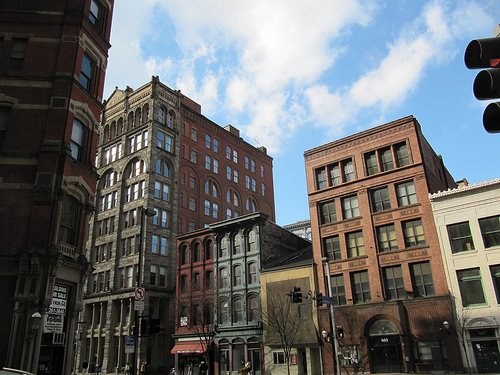
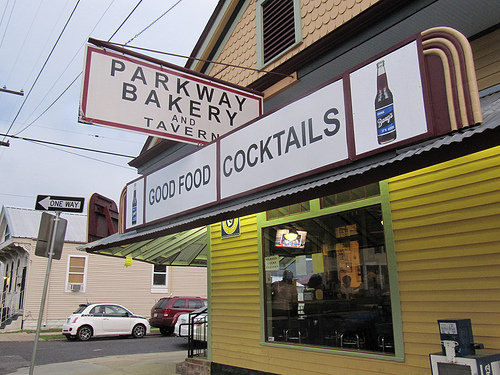
Getting around - Research which travel companies drop you off at the most convenient location. Bus companies can be alarmingly cheap sometimes and are cool with bringing your bicycle. Other times, they’ll drop you off at a park ‘n ride miles from where you want to be. Trains can be alarmingly expensive and not necessarily a cheaper alternative to flying.

Planning - My secret to finding the good stuff is to always listen to EVERYONE. No one’s going to have the same tastes as you, so get as many opinions as possible.

  • Post in forums like Chowhound and Yelp - these are my go-to research centers. I also consult RoadFood, HollyEats, and UrbanSpoon if I’m not satisfied with knowledge. When looking on these sites, look at the ratings. If it’s either 5 stars or 1 star, read into the reviews to see if the 1 star people ‘just don’t get it.’
  • Check out local blogs, especially if you can make contact with the bloggers.
  • Ask for suggestions from your social networks. Tweet and mention your trip to everyone for weeks, and you might be surprised about what your friends know!
  • Map it out and cluster by region. You can get a good idea of neighborhoods and regions that are interesting by visualizing the concentration of places to hit. If you see clusters of small roads with medium sized avenues, there will probably be lots of random stopping points for you. It’s great to discover a place a bit serendipitously because it will not only be fun but also give you time to digest.
  • Find out hours of businesses and plan when to check out each distinct region.

Navigating - I print out my Google Maps and find a place to get free big maps. In NYC, it’s any bicycling shop. In other cities, you might go to visitors centers. These centers will give you all the dullard touristy places, but they’ll also have free maps with knowledgeable retirees who know how to get around.

Get yourself access to a bicycle. In most city centers, a bicycle is the quickest and least restrictive way to get around. A car is great, but you’ll never be able to stop at all the cool places you pass along the way without causing a major tourist traffic uproar, and you won’t have to worry about parking.

Eating - Make friends or order small. The worst thing that can happen is getting full. You are on vacation, so don’t feel pressure to finish your plate. It’s always the hardest part. Keep extra time between stops to digest and explore the neighborhoods.

Seem like a lot of work? Well, you can also book a tour from a local who already knows his stuff.

Leave a comment

Getting to Know Your Own City with the Help of Vayable

by Etan Berkowitz, Vayable ambassador who recently moved to San Francisco

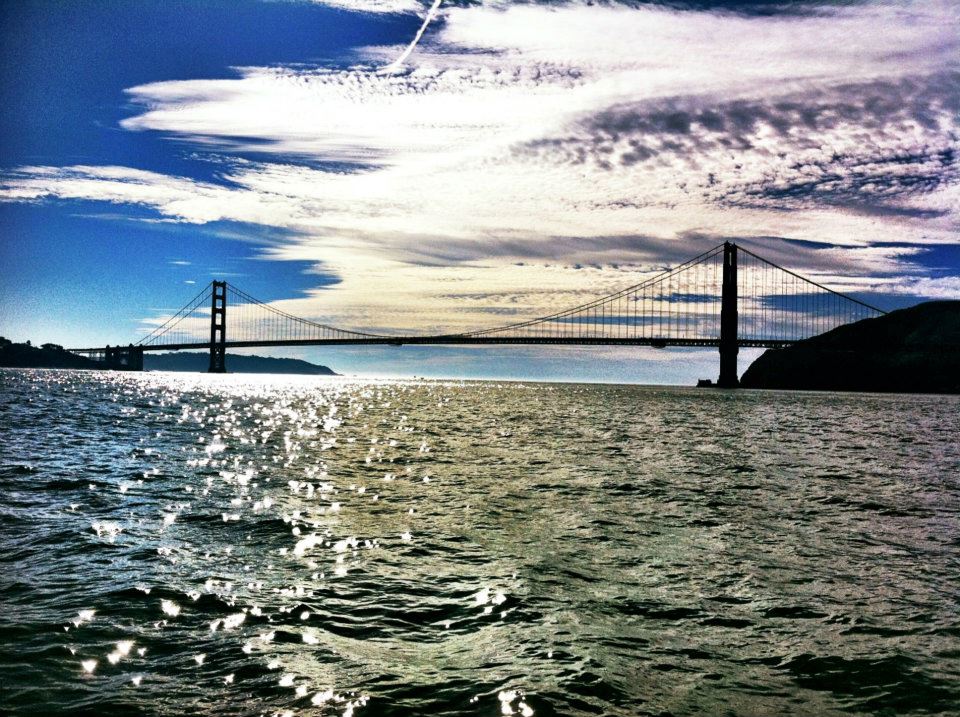
About two months into living in San Francisco, I had done all the touristy things I was supposed to from biking on the Golden Gate Bridge to talking with the sea lions at Fisherman’s Wharf. The problem was that I still felt like a tourist, alienated by the fact that I’ve been following the signposts that TripAdvisor, TimeOut, Frommers and some desperate Google searching had laid down for me.

At my very first San Francisco house party, I met a rarity: the city dwelling native. I wasn’t talking to someone of East coast or Northwest descent, but a Folsom blooded local who advised me to check out Tourettes Without Regrets which is a monthly collaborative performance art/freestyle/dance/comedy/music fest.

From beat boxers flowing with guitarists to B-Boy battles to slam poets, there was no end to the creativity on stage. The lovely MC of the night actually threw a real pig heart at an obnoxious audience member. It was Oakland’s version of vaudeville and it was raunchy and entertaining. How else would I have found such a ridiculous event besides from the mouth of a local San Franciscan?

I serendipitously found my guide through a chance meeting at a house party. Vayable is collecting the world’s most unique guides (can I tell you how excited I am for Anarchy for Creative Nerds?) and putting them at your fingertips. By all means, come to San Francisco and meet the sea lions and gawk at the Golden Gate Bridge, why don’t you get an intimate tour of San Francisco’s jazz world? Or go on a spiritual ice-cream bike trip with a local San Franciscan?

The world is your oyster, and let Vayable be your shuck.

1 Comment

Be a Tourist at Home: Ideas for Extending Your Holiday

by Whitney Eden, Contributing Writer

Nearly halfway into January, our post-holiday glows have definitely faded away. We waited all year for this blissful break, be it a tropical trek or quality time with the family, and it only left us wanting more. So if what are the options if you’ve used up all your vacation days? In the words of Marcel Proust, “The real voyage of discovery consists not in seeing new landscape, but in having new eyes.” We’d like to reveal some gems that exist in your own backyard, but we aren’t talking your usual walking tour. Ever want to explore the seedy underbelly of Berlin? What about the vibrant Gospel scene in Harlem? You can do all this and more, without spending beaucoup bucks or valuable vacation days.

San Francisco Motorcycle Tour

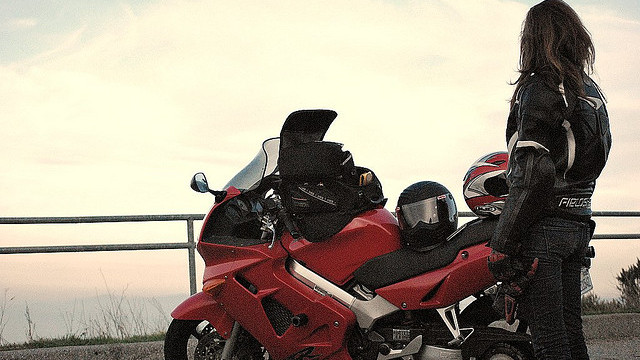
With one of most utilized public transit systems in the nation, San Francisco locals often view their city from bus, train or simply from the sidewalk. Want to kick it up a notch? Try checking out the city from the back of a motorcycle. The Kan Brothers offer individualized tours through the city and there’s nothing like the wind whipping through your hair to make even the most jaded SF local feel giddy.

Harlem Brunch

Even the most jaded New Yorker will feel enlivened by Harlem’s vibrant Gospel scene. Prepare yourself for singing, dancing and soul-stirring sermons. Carolyn, a Harlem native, will be your guide through this vibrant experience, ending with a tasty brunch at a authentic local eatery. Bonus: if you want to explore more of what Harlem has to offer, check out Carolyn’s Harlem Guide iPhone App

Explore Eastside

Whenever someone says “Los Angeles”, our minds naturally go to gridlock, Beverly Hills and ceaseless sunshine. However, Erik opened our eyes to the bohemian side of version of this spirited city. Check out vintage shops, hip bars and cool cafes; it’s like living in your own personal version of Swingers.

Shanghai Running Tour

A far cry from the traditional tour bus, a running tour through Shanghai might be just the thing for you endorphin junkies. Your fearless leader, Kyle, has 5 marathons under belt, Shanghai street cred and a shared wanderlust. With the aid of a running buddy and an adventurous attitude, Shanghai reveals even more of its vibrant, eclectic allure.

Berlin Bottom-Up

Most tours intentionally keep you away from the more “colorful” parts of town, but Luckie isn’t your normal tour guide. A native Berliner and former taxi driver, he’ll take you through the city’s seedy underbelly, where junkies, punks and squatters frequent, all from the safety of his car.

Passenger Moto Tour of Rio

Without wheels, most of Rio’s most stunning features are often of reach. However, with Stewart’s know-how and motorcycle, you can explore Rio’s coastal roads, active urban areas and dense jungle trails; the only requisites are an adventurous spirit and good weather.

1 Comment

5 Best Natural Highlights in New Zealand

It seems like a week of introductions, and we are happy to introduce Artūras, our New Zealand Vayable Ambassador! He hails from Northern Europe and moved to Auckland after getting tired of really bad weather (eg horizontal rain). By day he works as an intellectual capital consultant and spends his time outside of work traveling, reading books, and listening to music on Spotify. He’s a tech geek who’s always on the lookout for the next new thing. As one of the first 50 users of Vayable, he’s excited to share his love for New Zealand and help build the community out there.

Here are his picks for the 5 best natural highlights in New Zealand!

Tongariro National Park

Grab your hiking shoes and equipment and go for Mt Ngauruhoe which served as “Mount Doom” in the Lord of the Rings movies. Though it’s currently resting, Mt Ngauruhoe is considered to New Zealand’s newest and historically most active volcano. The park also has Emerald Lakes, sulphurous pools formed by the park’s volcanic activity, glitter against the dark scree and boulders that surround them. Lakes is one of the park’s most famous sites and a popular place to stop along the Tongariro Crossing which is rated one of the best one-day hikes in New Zealand.

Doubtful Sound and Queenstown, the Adventure Capital of the World

Fiordland National Park is one of New Zealand’s most well-known and well-visited destinations for land and water-based activities. You will find a quiet serenity emanating from Doubtful Sound. As stunning as it is, the journey to get there is equally inspiring with wild waterfalls, forested valleys, granite peaks and crystal-clear lakes. Fiordland also contains one of the most renowned NZ’s tracks – Milford Track which takes four days to complete. If you like adrenaline, go for 43-metre plunge off the Kawerau bridge and later on enjoy late night drinks on top of Bob’s Peak in Queenstown.

Waitakeres Ranges National Park in Auckland

After a day of hiking and spending an afternoon by Kitekite Falls, go catch a sunset in Piha. This famous surf beach, with its rugged cliffs and crashing waves, is split in two by the impressive Lion Rock. The surf here is dangerous, even for experienced locals, be warned.

Wai-O-Tapu Thermal Wonderland

Despite the sulphurous stink that Rotorua has become known for, there are plenty of enjoyable sites to explore. There are spas, thermal parks, a golf course, museum and much more (heard about The Luge or Zorbing?) Also prepare to see the Champagne Pool hot spring, Lady Knox geyser in a place where visitors have enjoyed these sulphurous geothermal attractions for centuries. Unwind in country’s famous Polynesian Spa.

Cape Maria van Diemen

Cape Maria van Diemen holds the distinction of being the westernmost point of North Island. It was named by Abel Tasman after the wife of his patron, Anthony van Diemen. Later on head straight to Cape Reinga Lighthouse where Tasman Sea and Pacific Ocean meet. Be prepared for some dramatic scenery!

1 Comment

Explorer Perspectives: Study abroad in college! Tips and experiences.

by Caryn

Hi, I’m Caryn from A Day in The Life. This post is part of a group of blogs participating in the 20SB Blog-Swap 2011. Be sure to check out June’s post on Life in New York on my site today!

If I have any advice for college students today, it would be to travel and study abroad. It was by far the best thing I did while in undergrad. There will always be classes you need to pass or credits you need to take to graduate but nothing surpasses the once-in-a-lifetime experience of living overseas, taking classes and traveling.

In January ’06, my second semester junior year, I packed my bags and moved to Florence, Italy for five months. I spent my in time taking classes and traveling. I even got credits that counted towards graduation! When classes were over, I traveled solo for a day or two to meet my friend from the states in Barcelona to begin our four-week backpacking exploration. Often times we saw cities by day and slept on overnight trains by night. Together we traveled to 13 countries: Spain, France, and Ireland, Northern Ireland, England, Belgium, Netherlands, Germany, Poland, Austria, Switzerland, France and back to Italy. I could write pages upon pages about each country I visited but that will be another day.

When In Rome… Warning, cars in Rome are crazy! Do not make eye contact with the driver or you will find yourself in a race for your survival to reach the other side. I saw cars and mopeds driving on sidewalks and speeding through very narrow cobblestone streets. There is even a name for the madness - Roman Roulette. You can’t escape art in Italy, it is everywhere; from the floors, the walls, the cracks in the walls, the ceilings, the fountains, and just about everything, is covered in art and/or sculptures. I can’t even describe the feeling you get when you walk into a vast room with nothing but intricate art and paintings from floor to ceiling. The architecture is like nothing I have ever seen before and everything is so rich with history. Nothing of the kind can compare in America.

Visiting the “Ghost Town”: If you go to Italy, I highly suggest making the trek to see Pompeii. Pompeii is a town near Naples that got buried in ash when Mount Vesuvius erupted in AD 79. I remember learning about this in history class, but to see it up close and in person was mind-blowing. People and objects were preserved just as they were at the time of the eruption. It continues to be the #1 most visited archeological site in the world. Pompeii reminds you that life can change in a split second and to enjoy the most out of it while you can.

Adventures in Switzerland: The first time I went to Switzerland I went night-sledding with a 106 fever and tonsillitis. I dunked my face in the snow and powered through it! Night-sledding is a night activity where you sled down a windy mountain playing follow-the-leader, except because it is night, you can only see the glow stick around the neck of the person in front of you. The second time I went to Switzerland, I returned on a mission. I wanted to Skydive! Yes, I jumped out of a plane at 1100 feet! The scariest part of the entire experience was the anticipation during the plane ride up to the jump point. And just like that it was over. The adrenaline kept me going for days and I felt like I had a permanent smile plastered on my face. It was the most natural high you can possibly experience. I have never felt more alive! I’d do it again in a heartbeat.

Lessons learned from studying abroad:

1) I had more of a culture shock returning to The States than I did arriving in Italy. In fact, I found myself a bit depressed for a few weeks upon my return. One thing I noticed is that everything in Europe is old, I’m talking centuries old, rich with history and art, while America is so young and modern and everything is new! In the life of history and cities, America is just a toddler. Columbus came to America in 1492 but Pompeii had already been destroyed centuries earlier in 49 AD. Crazy, right? As Americans, we think our technology is advanced, but man, are we wrong. Just look at ancient European cities like Rome and Pompeii. They didn’t have the machinery to build their homes and buildings, only slaves, yet they still stand strong today.

2) In Europe, everything is laid back and runs at a much slower pace. You have to ask for your check when you’re ready to leave a restaurant, they will not bring it to you. Everything is so fast paced in The States. Hurry here, do this, do that, fast food, the hustle bustle, urgent world of needing everything Now! is exhausting. This was really hard to adjust to when I returned.

3) America really is a super-sized country, both in our egos and our food. The thing about the food in Europe is that portion sizes are so much smaller. We have fast food joints on every corner in America. Our food isn’t as fresh and our single portions are enough to feed a family! No wonder we’re on the fast track to eating ourselves to death. It is beyond disgusting. Oh my mouth is salivating just thinking about all the scrumptious fresh food in Italy!

4) Talent and intricate art is everywhere there but nothing of today compares to the talent Michelangelo, Raphael or other Italian artists. In generations to come, what artist will we look back on and study?

5) Transportation in Europe is much easier and cheaper than in The States. I learned that it is possible for me to pack minimally and only live out of a backpack. I quickly learned there is something very freeing and liberating about traveling solo or even with a friend in a foreign country. I learned that I can get around Europe on my own. Knowing I could conquer obstacles and rely on only myself to get around was empowering, satisfying and a very rewarding experience. I learned a lot about myself, increased my confidence and helped me be more independent.

6) Have no regrets! I wanted to going skydiving but my travel buddy did not. We split up and each did our adventure activity that we wanted to do. I also wanted to visit Auschwitz so we took a train, hours out of our way, to make sure we had no regrets.

7) No education can teach you more about cultures and yourself than living abroad. I am a far more cultured and well-rounded person for having these experiences. The world has so much to offer, it is important to get out of your bubble and experience new places and things. Be sure to take these experiences by the horns and don’t be afraid to go for a ride of your life!

The Best Of – little pointers to help you on your way:

The Best Gelato: Gelateria on a street right off of Trevi Fountain called Della Palma Gelato Di Roma, in Rome, Italy.

The Best Pizzeria: Restaurant called Yellow Bar, in Florence, Italy.

The Best Weekly Music Bar: Bar called Be Bop with a Beatles cover band every Tuesday, in Florence, Italy.

The Best Most Authentic Italian Restaurant: (and most delicious) La Giostra, in Florence.

The Best Advice Regarding Travel: Travel is nothing like it is in America. Travel is a breeze in Europe. Use trains and cheap airlines (as low as $10!), however, avoid Ryan Air at all costs. It is okay to be spontaneous and last minute.

The Best Kept Secret Beach Spot: Elba – off the coast of Western Italy.

The best Advice to Backpackers: Enjoy every minute of it! Don’t worry about the calories in the pizza or gelato. Take pictures of everything. While I am all about being financially responsible, remember this is a once in a lifetime opportunity – don’t skimp out on the photographer when you go skydiving. You will want those memories preserved, I promise! When backpacking, bring clothes you can mix and match and re-wear. Take advantage of the overnight trains but be sure to sleep with your backpack on you at all times on trains and in hostels and bring a travel bed sheet and quick dry towel for sanitary purposes. Be on the lookout for pick pockets and scammers.

The Best Advice to Students Studying Abroad: Immerse yourself in the culture. Try not to be a tourist - rather live how the natives live. Don’t get caught up in the world of the Internet or missing home. Home will be there when you return. Keep your passport somewhere safe! Enjoy and live in the moment! Don’t put anything off, make sure you do and see everything you can! If you study somewhere that has a foreign language, take that class to learn the language. Challenge yourself out of your comfort zone. And be prepared for experiences and memories that will last a lifetime!


CIAO!

Leave a comment

Explorer Perspectives: Does Wanderlust Ever Go Away?

by Dheera Venkatraman

It depends on whether you travel to sightsee or explore. I’ve been quite lucky enough to have had an enormous number of travel opportunities at my age. A long time ago I used to be a typical tourist, interested in seeing the great castles and palaces and museums and landscapes of the world. I would flock to the top places on traveller magazines and snap my couple photos and move on like anyone else.

Over time I found myself less interested in all of that. Having travelled so far to some 35+ countries, 200+ cities, I started at some point a couple years ago to feel that I’d seen enough of the world’s superlatives and all the tourist attractions. Museums no longer interested me as much as books and even Wikipedia which contained more information; impressive constructions and monuments were impressive, but I’d already been wowed by enough of them. The tallest this, the grandest that, the smelliest this, the oldest that. Scenic viewpoints gave me photos no different than the thousands and millions already on the web. Castles, palaces, forbidden cities, ruins, they all start to get old. They’re impressive, but you’ve already been impressed by them. I began to feel that there wasn’t much meaning in actually travelling to see things. One would say that it’s “different” to actually see something in person than to read about it. That’s true initially, but it wears away after a while. Sooner or later you’ve seen enough of Michelangelo’s own handiwork that scanned copies online suffice. Sooner or later you’ve seen enough fantastic landscapes that living them through 21-megapixel photos ends up being not all that different.

However, I didn’t lose interest in travelling. Rather, I stopped travelling mainly to see and instead began to travel to discover. That is, to see what others don’t usually see. That doesn’t necessarily mean going out into unexplored territory on Earth — there frankly isn’t much left — but rather to go and try to have a different experience than most. Sometimes that means travelling by uncommon means (say, cycling long distance when most take trains and buses). Sometimes that means travelling at the “wrong time” (travelling [safely] in bad weather to see a place under different conditions). Sometimes that means heading to a major city, looking at a map, crossing off everything mentioned in Lonely Planet and going elsewhere. Sometimes that means getting to otherwise-touristy destinations at the crack of dawn to see a serene sunrise when nobody is there. Sometimes, there really are places to explore that nobody has ever heard of and in some of those places it may actually be safe to wander out and explore. Often, it means interacting more with locals. One should of course also exercise responsible tourism when doing all of this.

Nowadays, I’m also out for photography. I go to places just to explore the art of photographing things. I photograph things that I think people don’t usually photograph. I don’t usually take recommendations on “photogenic places” because those are precisely the places that have been photographed to death by others. I just wander and find things as I go.

This is all of course apart from travelling to see family and friends. That’s entirely another purpose to travelling. And hiking, because it’s good exercise and escape into nature from city life. But my touristic interests are no longer in sightseeing but more in wandering, exploring, photographing. And if possible, understanding people and different ways of life. As long as that remains the case, no, the interest doesn’t stop and I don’t think it ever will.

Dheera is an MIT graduate student in Electrical Engineering and works at the RLE Optical and Quantum Communications Group. His non-academic interests include physics, technology and computer science, hacking up and building electronic gadgets at home, ancient history, culture, linguistics, [vegetarian] food, community service, environmental conservation, philosophy, photography, classical and traditional music, tea, hiking, and travelling (especially by train, bicycle and foot). He currently lives in Beijing.

Leave a comment
Follow

Get every new post delivered to your Inbox.

Join 27 other followers

Powered by WordPress.com
%d bloggers like this: