

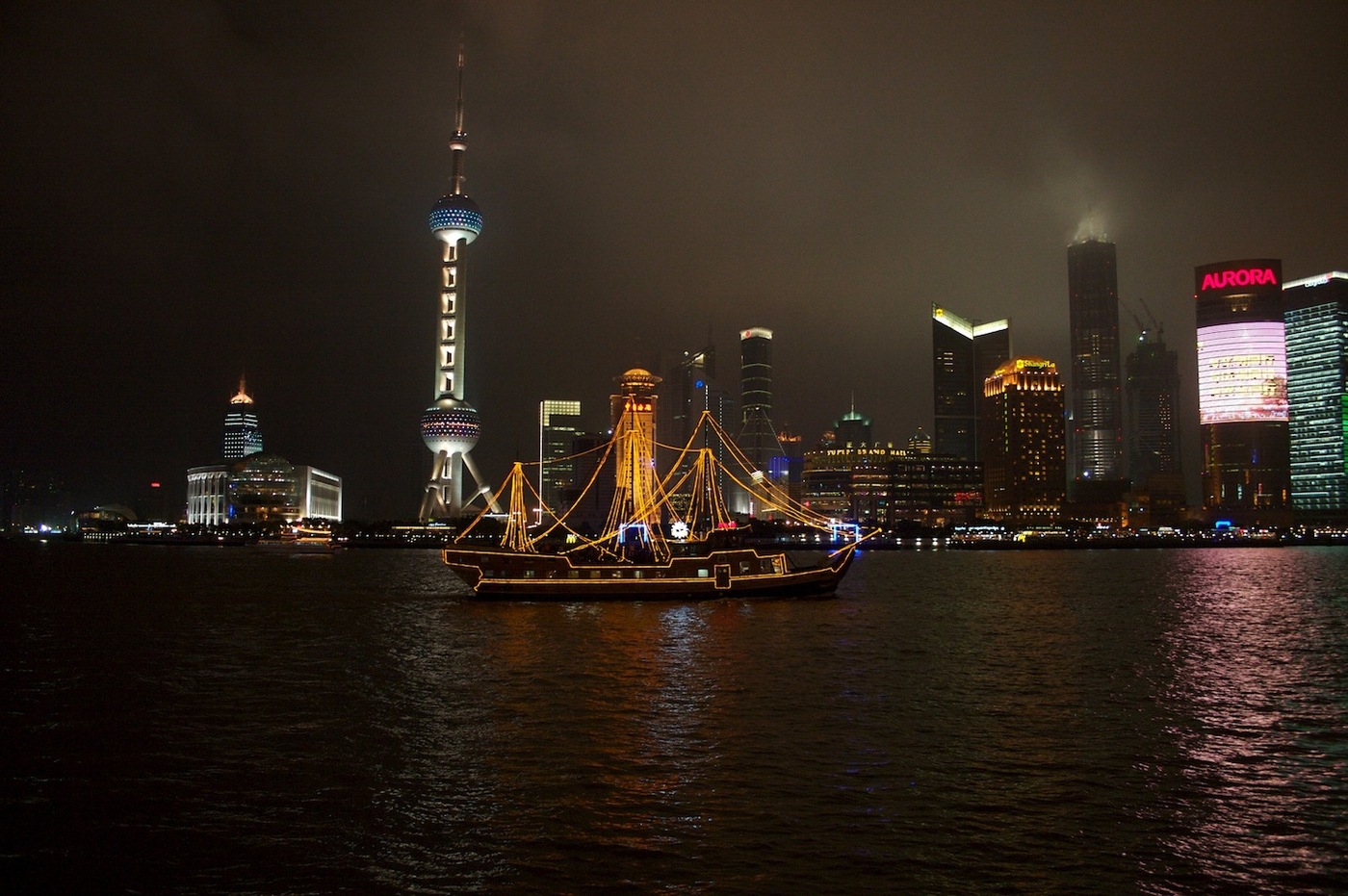
Food & Wine in Shanghai

Shanghai cuisine is a popular style of Chinese cuisine. The city of Shanghai itself does not have a separate and unique cuisine of its own, but modifies those of the surrounding provinces, such as Jiangsu and Zhejiang. What can be called Shanghai cuisine is epitomised by the use of alcohol. Fish, crab, chicken are "drunken" with spirits and are briskly cooked/steamed or served raw. Salted meats and preserved vegetables are also commonly used to enhance the dish.
The use of sugar is common in Shanghai cuisine, especially when used in combination with soy sauce. Non-natives tend to have difficulty identifying this usage of sugar and are often surprised when told of the "secret ingredient". The most notable dish of this type of cooking is "sweet and sour spare ribs" (Chinese: 糖醋小排; pinyin: tángcù xiǎopái). "Red cooking" is another popular style of stewing meats and vegetables.
Enjoy the thrill of introducing a new place or experience to someone for the first time. Make money doing what you love.
Become an official Vayable Ambassador. Share the lesser-known gems of your city with the rest of the world.
Be the first to find out about the best new experiences and special offers in Shanghai.
What to Eat?
The lion's head (simplified Chinese: 狮子头; traditional Chinese: 獅子頭; pinyin: shīzǐtóu; pork meatballs in brown sauce) and Shanghai-style niangao (Chinese: 粘糕; pinyin: niángāo) are also unique to Shanghai, as are Shanghai fried noodles, a regional variant of chow mein that is made with Shanghai-style thick noodle. Lime-and-ginger-flavoured century egg (Chinese: 皮蛋; pinyin: pídàn) and stinky tofu (Chinese: 臭豆腐; pinyin: chòu dòufǔ) are other popular Shanghai food items.
As Shanghai faces the East China Sea, seafood is very popular in the region. However, due to its location among the rivers, lakes, and canals of the Yangtze Delta, locals favour freshwater produce just as much as saltwater products like crabs, oysters, and seaweed. The most notable local delicacy is Shanghai hairy crab (Chinese: 上海毛蟹; pinyin: Shànghǎi máoxiè).
Shanghai people are known to eat in delicate portions so servings are usually quite small.[citation needed] For example, notable types of baozi from Shanghai such as xiaolongbao (simplified Chinese: 小笼包; traditional Chinese: 小籠包; pinyin: xiǎolóngbāo) and the shengjian mantou (simplified Chinese: 生煎馒头; traditional Chinese: 生煎饅頭; pinyin: shēngjiān mántóu) are usually about four centimetres in diameter, much smaller than the typical baozi or mantou elsewhere.
Tipping
Tipping is expected and always included in the bills of highend places and hotels
Price per Meal
$10-$100
Let the Vayable Concierge help you find your ideal experience in Shanghai.