London’s Top Street Food Markets

by Matthew Lee, our street food and all-things-hipster specialist in London.

London once had a lousy reputation for food, but then something changed. Perhaps it’s due to TV chefs such as Gordon Ramsay and Jamie Oliver bringing fine dining to our living rooms. Or maybe living in a city where over 300 languages are spoken has helped our conservative English palates discover there’s more to life than fish, chips and soggy pies.

Somehow, against the odds, London became a culinary powerhouse, a serious rival to Paris and New York. But then, in 2008, the world economy collapsed. How could a city of obsessive but financially-challenged foodies get its fix?

Easy. We took to the streets. We found a food truck formula perfected in New York and Los Angeles - no rent, low overheads, high-quality ingredients - and applied it to the roads of London, rain or shine. And this being England, it’s usually rain.

Borough Market is London’s most famous food market but - whisper it - it’s a tourist trap. Instead try the lunch markets at St Pancras, Leather Lane and Whitecross Street. And travel to the local markets in Brockley, West Norwood and Clapton. Or head to tourist-free East Ham, Brixton or Wembley for the the real deal - fantastic Indian, Pakistani and South American stalls.

But whatever you do, don’t miss these three markets for this summer’s best street food:

1) Brick Lane (Sundays)
The daddy of London’s street food scene keeps getting bigger and better. Walk here on a Sunday lunchtime and the options are daunting. You’ve got the Bangladeshi cafes and the Jewish bakeries, the vast UpMarket and the eclectic Boiler House Food Hall, and dozens of alluring food stalls in the spaces inbetween. Last time I walked down Brick Lane I found over 30 cuisines - if you’ve never tried Lithuanian, Burmese, Congolese or Venezuelan food, here’s your chance.

2) Street Feast London (Friday nights)
Never let it be said that the guys at Street Feast London couldn’t organise a piss-up in a brewery. On Friday evenings this summer, the Camden Town Brewery is hosting some of the city’s best street food stalls. Expect to find the likes of Horn OK Please (Indian street food), Big Apple Hot Dogs, Kimchi Cult (Korean-style burgers), Buen Provecho (Mexican tacos) and Speck Mobile (authentic Austrian). Take a seat on their sunny terrace under the train tracks and wash it all down with some of the best beer you’ll find in the UK.

3) Broadway Market (Saturdays)
Broadway Market is hipster central at the weekends, but don’t let that put you off visiting its excellent food market. It’s a great place to pick up bread, cheese, meat and booze for impromptu picnics in the adjacent London Fields, and it’s also home to some fantastic street food. The burgers at Lucky Chip (round the corner at Netil Market) and the Vietnamese baguettes at Banh Mi 11 are highly recommended.
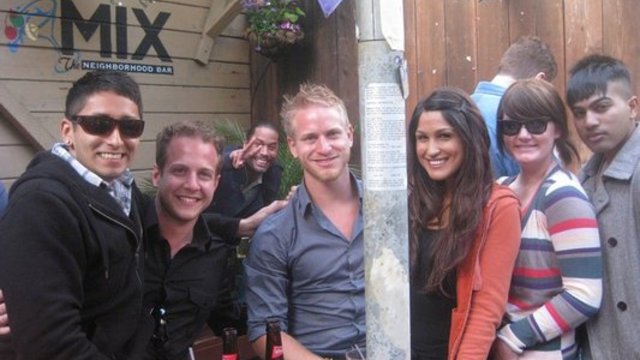

Have a Gay ‘ol Time at Pride!

San Francisco’s Pride celebration is the largest LGBT gathering in the nation, reflective of the open and loving culture of the Bay Area as a whole. This year’s theme is global equality with a focus on social, political, and educational advocacy for LGBT people around the world. We’re celebrating Pride here in San Francisco, and we hope you have a gay ‘ol time no matter where you are!

Gay BFF Castro Barcrawl - San Francisco, CA

No matter whether you’re gay, straight, or somewhere in between, everyone needs a gay BFF. Jeremy is one of our favorite people to drink with and the very best person to dish with about anything and everything. He’ll take you to the very best bars of the Castro and treat you to a drink or five that are especially designed for you.

Cruisin’ the Castro - San Francisco, CA

Get your learn on with Kathy, who has some sweet knowledge to drop as you cruise around the Castro. Hear stories of Harvey Milk, the first gay bar with windows, and so much more on this fun and informative tour. Kathy has a wonderful story of her own coming out and will help you get plugged into the gay community no matter where you are visiting from.

Do SOHO with Your Gay BFF - New York, NY

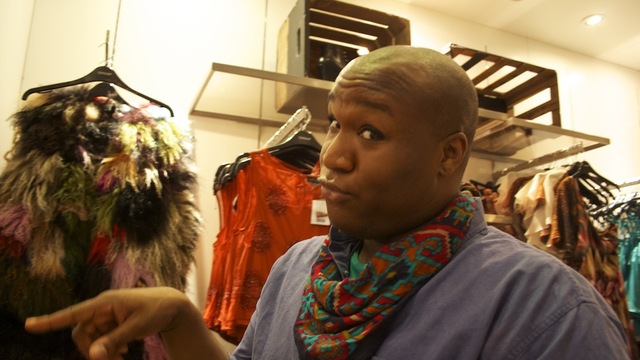
If you’re looking to shop till you drop with a sassy and all-knowing gay BFF by your side, look no further. Royce will tell it to you straight that you just don’t look good in those skinny jeans or that you look so fab in that pair of heels. Re-do your wardrobe the right way.

Discover Gay Rio de Janeiro - Rio, Brazil

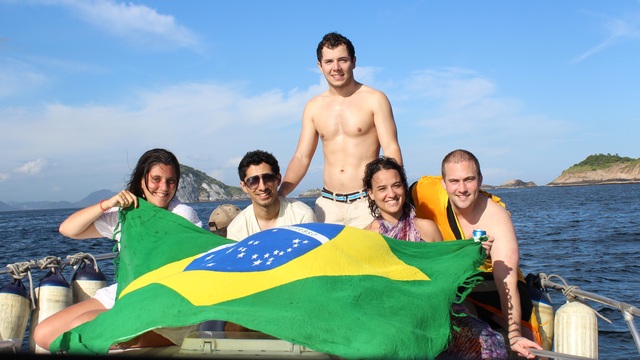
Catch some rays and discover Rio the right way with Marcelo, who will get you into all the clubs and hot spots where locals go to see and be seen. You’ll also discover the very best highlights and things that Rio has to offer!

Walk Like An Egyptian

by Doug, a camel farmer based in Texas and Egypt. He offers 10+ day all-inclusive trips in Egypt, where you can live the local way of life and also explore the beautiful country.

Wasta is Arabic for “connections,” and I like to think travelers on my experience have wasta the minute they sit and eat with the Egyptian families on my guided tours of Egypt and Sinai.

In Cairo, we stay in the home of Adel Sayed Hamza, a ten-minute walk from the Pyramids, where Adel works as a camel man. Egyptian families are large and always expanding, so Adel and his wife Suad have a full house. Adel’s adult sons, Sayed and Mohamed, work with their uncle in an electrical business, while Magdy, the youngest son, is finishing up high school and wants to be a tour guide. Adel’s daughters, Hoda and Hebba, have children of their own, and Sayed’s wife, Wella, speaks perfect English, allowing female guests a real insight into Egyptian life. (She also loves Titanic and the Twilight series!)

During the day, while we’re out sightseeing with Adel, Suad is home preparing the night’s feast. Modern Egpytian cuisine traces its roots directly to the Pharaohs, so you can be sure you’ll eat like a king at each meal. Chicken, lamb, goat, fish and even camel can be prepared. Vegetarians needn’t worry; you’ve never eaten produce more varied nor fresher than that of Egypt, grown along the historic Nile.

While camel trekking in Sinai, you’ll be guests of Saleh bin Soliman, of the Muzeina Bedouin tribe. Saleh and his wife, Freija, have seven children and live in the small Red Sea town of Nuweiba. Saleh and family spend a good portion of the year in the interior of the Sinai desert, living among extended family in traditional goat hair tents. This is a lifestyle that truly hasn’t changed since the time of Moses and you’ll fall in to the Bedouin rhythm almost instantly.

With tourism slowing, Saleh and his sons make money by selling tea in roadside coffee shops, making charcoal from dead acacia trees, or offering their services as drivers. The daughters help their mother, Freija, tend goats and sheep to make textiles from the hair and wool of their flocks. These bags and rugs are sold and make great gifts while representing a way for traditional handicrafts to help sustain the Bedouin culture.

The impact your group has on Adel and Saleh’s families is real. In some cases it’s the difference between children in Sinai going without meat for one or two weeks at a time. In Cairo, many guests bring backpacks for school children or gently used laptops for young students. My reward? Getting to be the conduit, the go-between, facilitating your first steps as you learn to Walk Like An Egyptian.

Spotlight on the World’s Best Oyster Bars

by Julie Q, oyster aficionado and Vayable guide. Check out her oyster blog at inahalfshell.com

A couple of years ago I had the very good fortune of traveling around the world for business. When the working day was done, I’d set out on my own to find the best oyster or seafood joints that I could find. Sure enough, I came across a handful that are worth sharing with you.

LONDON - Bentley’s Oyster Bar & Grill (http://www.bentleys.org)

I experienced some of the most flavorful and potent Flats (aka Belons) and Pacific oysters at Bentley’s. Jersey Coast’s are delightful (and they’re from Jersey island near Northern France, NOT Snooki’s Jersey Shore). Perch yourself at the bar and consult the shucker. He won’t steer you wrong with oyster and wine pairings.

Tip: On the menu, “Native” means they are wild (more expensive). “Rock” means farmed. They are sorted and priced by size, with the smaller numbers being larger (No. 1 and 2′s are perfect for a large oyster lover).

BRUSSELS - Belga Queen (http://www.belgaqueen.be)

With a large selection of oysters from Europe, Asia and America, Belga Queen excels in offerings and ambiance. The decor is opulent and chic, perfect for a leisurely evening with your favorite bon vivant friend. They primarily serve French oysters (loved the Fine de Clairs and Speciales Vertes) but also a few Dutch gems. If you have the budget, order a couple of each.

Tip: True to French style, the oysters will arrive still attached to the bottom shell. So before you try to sexily slurp it down, discretely detach it with your oyster fork before knocking it back.

HONG KONG - Oyster Station (http://www.oysterstation.com.hk)

This intimate seafood shack is made up of a small, festive bar and a couple of tables. The entire venue can only hold about a dozen people, max. The menu is worth the wait though — oysters are flown in regularly from Europe, Australia, and even South Africa! Must try’s are the Special Gillardeau, Namibia, and Tasmania (one of my favorites of all time).

Tip: Call ahead and ask about the specials. Some items must be pre-ordered. They usually have an amazing selection of fresh sea urchin, clams, and crab.

How to plan a trip like a foodie

At some point, we all find ourselves rolling our eyes at those self-proclaimed “foodies,” possibly one of the most overused ways of describing a person who just simply likes to eat. Jeffrey, however, has spent years deciphering the maze that is the Queens food scene. There are pockets of immigrant cultures in Queens that are not well-documented and where people don’t necessarily speak English, but against all odds, with his tendency to chase the unknown, he has made himself an adored part of the community there. Today he shares some tips on planning a regional food adventure… like a foodie.

by Jeffrey Orlick

I always look for regional foods. Things I have never seen before, and which I have no chance of seeing in my city. Sometimes this is difficult to draw out of people because they don’t always know that they are so different. For me, when people tell me about the ‘best restaurant’ in their city, I always balk. I’m never looking for their best. I’m looking for their soul! Here are some tips on how to plan a food trip!

Booking - Stay with a local. Couchsurfing or Airbnb. Airbnb gives you more privacy, but I always prefer to have a real life contact at least in the same building. Just booking it cheap isn’t the answer; you want to book for the guidance (hosts that seem particularly interesting and knowledgeable) and location.
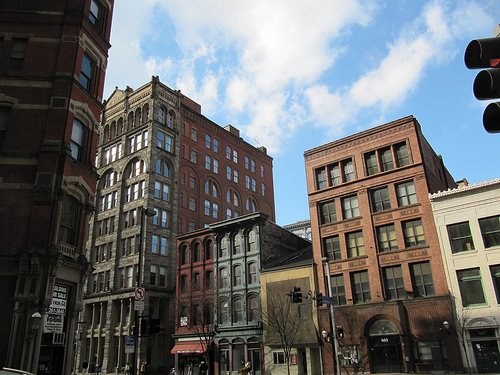
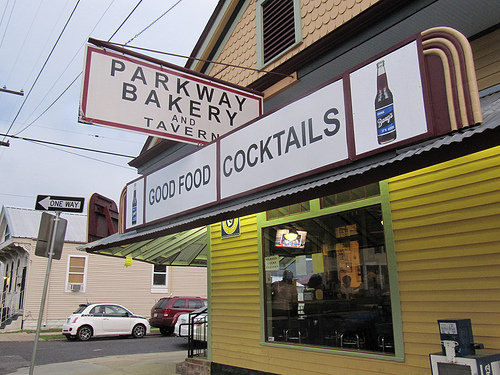
Getting around - Research which travel companies drop you off at the most convenient location. Bus companies can be alarmingly cheap sometimes and are cool with bringing your bicycle. Other times, they’ll drop you off at a park ‘n ride miles from where you want to be. Trains can be alarmingly expensive and not necessarily a cheaper alternative to flying.

Planning - My secret to finding the good stuff is to always listen to EVERYONE. No one’s going to have the same tastes as you, so get as many opinions as possible.

  • Post in forums like Chowhound and Yelp - these are my go-to research centers. I also consult RoadFood, HollyEats, and UrbanSpoon if I’m not satisfied with knowledge. When looking on these sites, look at the ratings. If it’s either 5 stars or 1 star, read into the reviews to see if the 1 star people ‘just don’t get it.’
  • Check out local blogs, especially if you can make contact with the bloggers.
  • Ask for suggestions from your social networks. Tweet and mention your trip to everyone for weeks, and you might be surprised about what your friends know!
  • Map it out and cluster by region. You can get a good idea of neighborhoods and regions that are interesting by visualizing the concentration of places to hit. If you see clusters of small roads with medium sized avenues, there will probably be lots of random stopping points for you. It’s great to discover a place a bit serendipitously because it will not only be fun but also give you time to digest.
  • Find out hours of businesses and plan when to check out each distinct region.

Navigating - I print out my Google Maps and find a place to get free big maps. In NYC, it’s any bicycling shop. In other cities, you might go to visitors centers. These centers will give you all the dullard touristy places, but they’ll also have free maps with knowledgeable retirees who know how to get around.

Get yourself access to a bicycle. In most city centers, a bicycle is the quickest and least restrictive way to get around. A car is great, but you’ll never be able to stop at all the cool places you pass along the way without causing a major tourist traffic uproar, and you won’t have to worry about parking.

Eating - Make friends or order small. The worst thing that can happen is getting full. You are on vacation, so don’t feel pressure to finish your plate. It’s always the hardest part. Keep extra time between stops to digest and explore the neighborhoods.

Seem like a lot of work? Well, you can also book a tour from a local who already knows his stuff.